
When people think about a fruit processing plant, they usually think about machinery, production lines and finished products.
Few think about water.
Yet for facilities processing fresh fruits such as açaí, water is one of the most important resources of all.
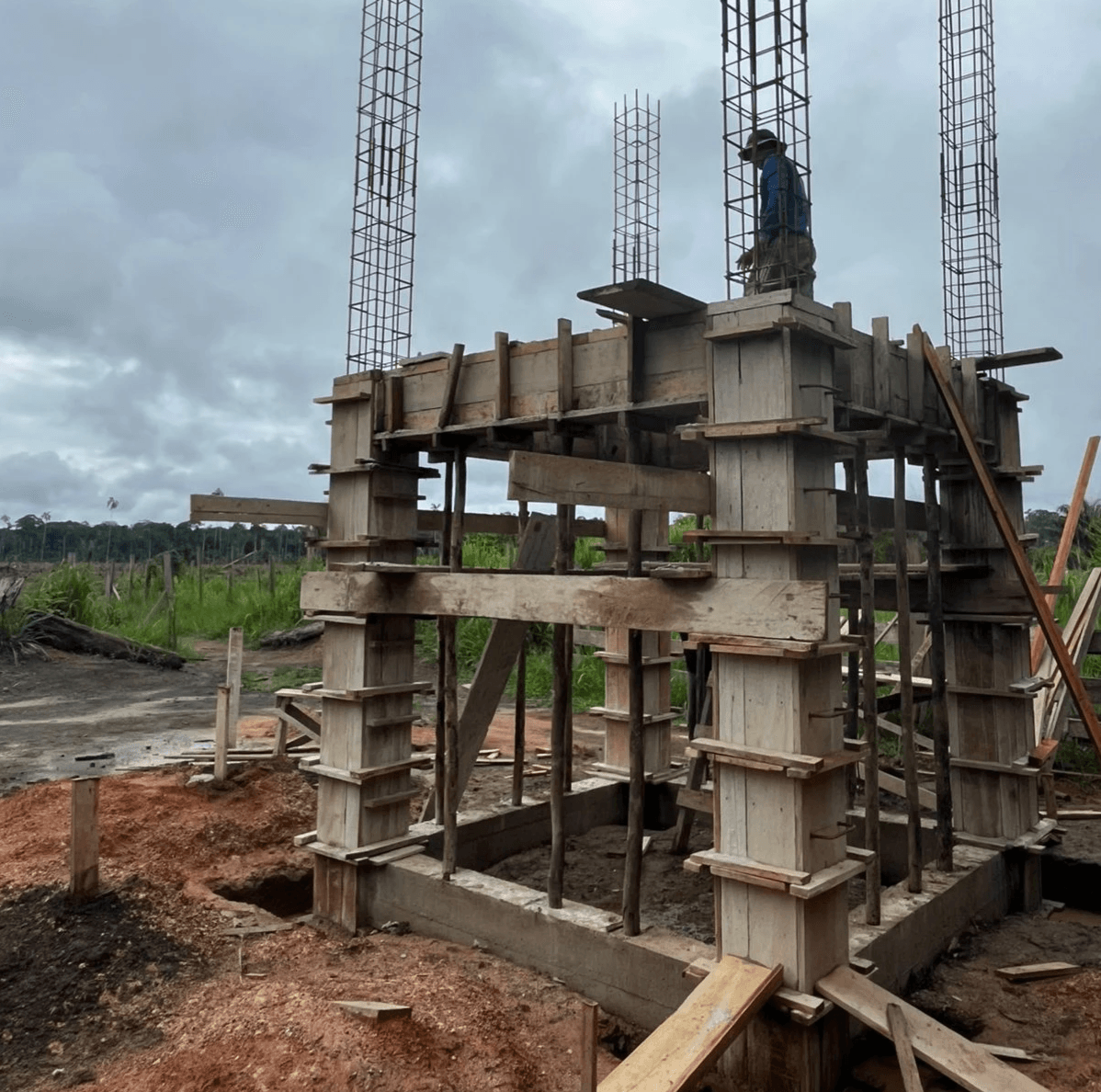
This structure will become the water tower serving the Amazterra processing facility in the Brazilian Amazon.
Together with deep production wells, storage systems and water treatment infrastructure, it will form a critical part of the plant's operations.
Water is used throughout the production process.
It is essential for washing fruit, cleaning equipment, maintaining hygiene standards and supporting daily operations across the facility.
For food processing, water quality is just as important as water availability.
The system being developed at Amazterra is designed to ensure a reliable supply of treated water capable of supporting industrial fruit processing while meeting the standards required for safe food production.
Building this infrastructure is particularly important in remote regions of the Amazon.
Although surrounded by abundant natural water resources, industrial operations still require carefully engineered systems to ensure reliability, consistency and quality throughout the year.
The water tower will provide storage capacity and pressure stability, helping maintain continuous operations even during periods of peak demand.
Like many aspects of the Amazterra project, this infrastructure may not be immediately visible in the final product.
But it is essential to everything that follows.
Every kilogram of fruit processed, every quality control procedure and every production run depends on reliable access to clean water.
The water tower is therefore much more than a construction project.
It is part of the foundation for a modern food processing facility designed to serve farming communities throughout the Codajás–Anori region for years to come.